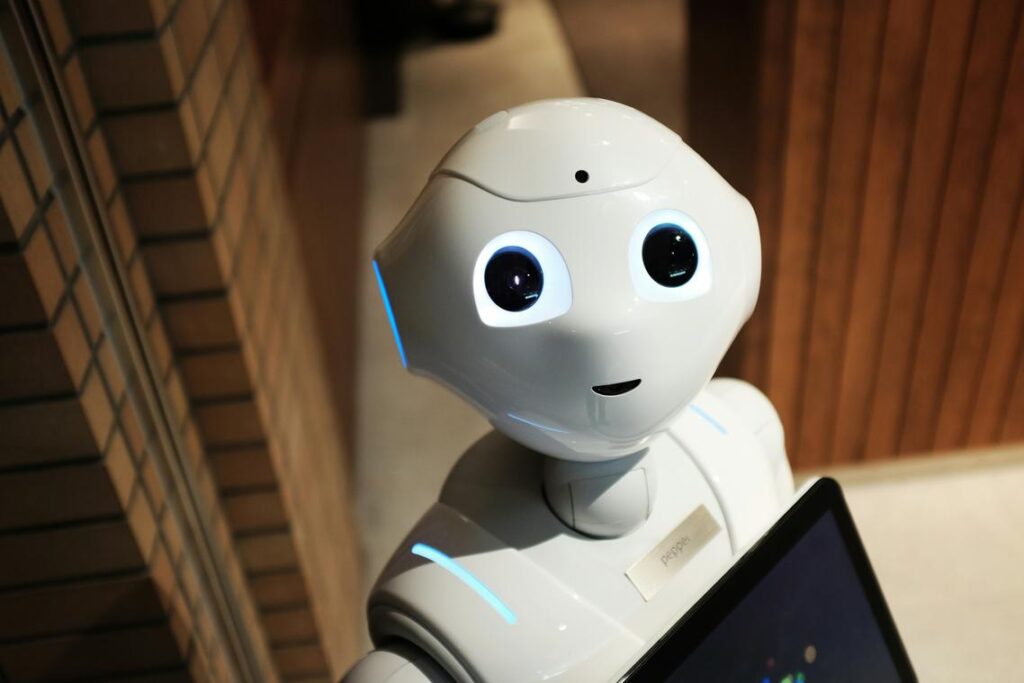
Creative work is changing faster than ever, and much of that shift is being driven by generative AI in creative industries. Designers, writers, filmmakers, musicians, and digital artists are no longer just experimenting with AI tools—they’re integrating them into their daily workflows. If you’re here, you’re likely trying to understand what this transformation really means: which innovations matter, what’s hype, and how these tools will reshape the future of creative production.
In this article, we break down the latest advancements powering AI-driven creativity, from cutting-edge model updates to real-world applications in media, design, and entertainment. We draw on current research, expert analysis, and hands-on evaluation of emerging tools to give you clear, practical insight—not speculation.
By the end, you’ll have a grounded understanding of where AI is genuinely enhancing creative potential, where limitations still exist, and how to stay ahead as this technology continues to evolve.
The New Creative Partner: How AI is Reshaping Innovation
Creativity was once framed as purely human—paint-splattered studios, late-night jam sessions, the lone genius myth. Now, however, AI sits at the table as a collaborator. The challenge isn’t efficiency; it’s integration. How do artists use generative AI in creative industries to spark originality rather than dilute it?
Consider three arenas:
- Visual Arts: AI-generated drafts that painters reinterpret.
- Music: Algorithms suggesting unexpected harmonies.
- Design: Rapid prototyping that frees designers to refine vision.
So what’s next? Creators must learn prompt craft, curate outputs, and redefine authorship in this evolving partnership.
Beyond Automation: AI as a Catalyst for Conceptual Breakthroughs
AI is no longer just a task-runner; it’s an idea engine. In ideation sessions, large language and image models function as infinite brainstorming partners—systems that generate expansive sets of concepts in seconds. This helps overcome creative block (the mental gridlock where ideas stall) by offering unexpected angles. If you’re stuck, I recommend prompting AI for 50 radically different approaches instead of five safe ones. Quantity breeds quality.
In pattern recognition, AI excels at scanning massive datasets—market reports, historical art archives, scientific literature—and surfacing correlations humans might miss. Pattern recognition refers to detecting meaningful relationships within complex information. For innovators, this means discovering unmet customer needs or stylistic gaps before competitors do. Pro tip: feed cross‑industry data into your model; breakthroughs often hide between silos.
Consider a product design case. An industrial designer inputs material constraints, ergonomic benchmarks, and user comfort data into an AI system. Within minutes, hundreds of chair prototypes emerge. One asymmetric, lattice-based structure stands out—lighter, stronger, and visually striking. The result isn’t iteration; it’s conceptual leap.
If you’re exploring generative AI in creative industries, start small: prototype fast, test boldly, refine strategically. Don’t replace your intuition—amplify it.
AI in Visual Arts and Design: From Pixels to Prototypes

Generative Art and Digital Media
In studios from Los Angeles concept houses to indie game labs in Tokyo’s Akihabara district, text-to-image models like Midjourney and DALL·E are reshaping how visuals begin. These systems, along with GANs (Generative Adversarial Networks—AI models that pit two neural networks against each other to refine outputs), transform simple prompts into cinematic landscapes or hyper-detailed character art. Critics argue this dilutes “true” artistry, claiming algorithms remix rather than create. Yet Renaissance workshops operated similarly—masters guiding apprentices to execute vision at scale (just with fewer GPUs). In practice, designers use AI outputs as mood boards or first drafts, accelerating iteration for film previsualization and high-conversion marketing campaigns. Adobe reports that AI-assisted workflows can cut design time significantly (Adobe Digital Trends Report).
Architectural and Engineering Visualization
Meanwhile, in BIM-heavy environments like Singapore’s smart city projects, AI-driven parametric tools generate realistic 3D models from rough sketches. These systems optimize layouts for airflow, daylighting, and energy efficiency—key metrics under LEED certification standards. Skeptics say architects risk over-automation. However, AI suggestions remain just that—suggestions. Engineers still validate load paths and material tolerances. Virtual walkthroughs now render in real time, helping stakeholders spot flaws before ground breaks (a costly “oops” avoided).
Fashion and Textile Innovation
From Milan ateliers to Shenzhen’s rapid prototyping hubs, AI predicts trend cycles using retail and social data. Algorithms generate textile repeats and simulate drape physics, enabling virtual sampling that reduces fabric waste—an urgent need, given the fashion industry’s sizable carbon footprint (UNEP). This is where generative AI in creative industries becomes tangible: fewer physical samples, faster time-to-market. For related automation debates, see collaborative robots in manufacturing benefits and risks.
The Sonic Frontier: AI’s Role in Music and Audio Production
I still remember the first time I fed a rough piano riff into an AI composition tool. Within seconds, it returned a layered arrangement—strings, percussion, even a bassline I wouldn’t have considered. I sat there equal parts thrilled and mildly offended (was I being replaced by an algorithm?). That moment reframed how I see generative AI in creative industries.
AI-Assisted Composition
AI-assisted composition uses machine learning models—systems trained on massive datasets to recognize patterns—to generate melodies, chord progressions, or full tracks. Instead of replacing musicians, these tools act like collaborators who never sleep. For example, when I hit writer’s block, I’ll generate three variations and tweak the best one.
- Generate melodic ideas in seconds
- Experiment with genre blending
- Build quick demo tracks for clients
Intelligent Sound Design
Meanwhile, intelligent sound design pushes boundaries. AI can synthesize entirely new textures by analyzing and recombining existing audio sources. In game development, this means alien atmospheres or creature effects that would be nearly impossible manually (think sci‑fi worlds worthy of Dune).
Automated Mastering and Production
Finally, automated mastering tools analyze frequency balance, dynamics, and stereo width—technical terms for tone, loudness control, and spatial depth—and suggest optimized EQ and compression. Some argue this flattens artistic nuance. I disagree. Used wisely, it democratizes studio-quality sound. Pro tip: always A/B test AI masters against your original mix before publishing.
Navigating the New Landscape: Practical Tools and Ethical Considerations
Essential AI Tool Categories: Start by exploring three core groups: Generative Image Platforms (tools that create visuals from prompts), AI Music Composers (software that produces melodies or full tracks), and Code Assistants (systems that suggest or debug programming snippets). Each category serves a different creative need, so choose based on your goals, not hype.
However, the copyright and originality dilemma deserves attention. Who owns AI-generated content? Laws vary by region, and many platforms grant usage rights without full authorship protection. Critics argue models trained on existing artists’ work blur ethical lines—and they have a point. Therefore, review terms carefully and avoid mimicking living creators’ signature styles.
Meanwhile, build a human-AI workflow: brainstorm with generative AI in creative industries, iterate quickly, then refine manually. Your taste, judgment, and final edits must lead (think director, not autopilot). Pro tip: document prompts and revisions.
AI isn’t here to steal your paintbrush or your punchlines. It’s here to hold the ladder while you climb higher. The real magic of generative AI in creative industries is collaboration, not replacement. Think of it as a caffeinated intern who works 24/7 and never eats your lunch. Sure, the fear of being outdated is real. (Technology has main-character energy.) But the antidote is simple: embrace the tool and let it amplify your weird, wonderful voice. Start small. Test one accessible tool on a low-stakes project. Learn what it can—and can’t—do. Laugh at the glitches. Then build bigger.
The Future Is Closer Than You Think
You came here to understand where emerging technologies are heading — and now you have a clearer view of the breakthroughs shaping tomorrow. From AI and robotics to quantum computing and generative AI in creative industries, the innovation wave is no longer theoretical. It’s active, accelerating, and already transforming how we work, build, and create.
The real challenge isn’t access to technology — it’s staying ahead of it. Falling behind means missed opportunities, outdated skills, and reactive decisions instead of strategic ones.
Now is the time to act. Stay alert to innovation shifts, explore hands-on tech tutorials, and track the next wave of AI and quantum advancements before they become mainstream. Thousands of forward-thinkers rely on our insights to stay prepared, not surprised.
Don’t wait for disruption to force your move. Stay informed, sharpen your edge, and position yourself at the forefront of what’s next.