
Ever asked Siri for a weather update or told Alexa to play your favorite song? That’s just scratching the surface. Most people think “virtual assistant” means a chatbot, but it’s not. AI personal assistants are way more complex.
They’re revolutionizing how industries operate, far beyond just setting timers or playing music. We’ve been tracking emerging AI trends and futuristic tech, giving us a unique edge in understanding these changes. Curious about what these intelligent assistants really do and how they work?
You’re in the right place. I’ll explain it all. No fluff, just straight to the point takeaways.
Beyond the Beep: Demystifying IVAs
Let’s talk about AI personal assistants. These are not just dumb robots doing what they’re told. An Intelligent Virtual Assistant (IVA) feels more like a digital team member.
They’re smart enough to understand, learn, and handle complex tasks. Imagine having an experienced manager in your pocket rather than a simple call center agent with a script. That’s the jump from chatbots to IVAs.
These assistants are powered by three core technologies. First, there’s Natural Language Processing, which is all about understanding what you say. Then, Machine Learning helps the assistant get smarter over time.
Finally, Conversational AI is what makes your interaction feel more human, less robotic.
But what makes an assistant truly “intelligent”? For one, they can remember past conversations (context is everything, right?). They also adapt to the user, personalizing responses just for you.
Plus, they handle multi-step processes smoothly, like syncing your calendar or ordering groceries online.
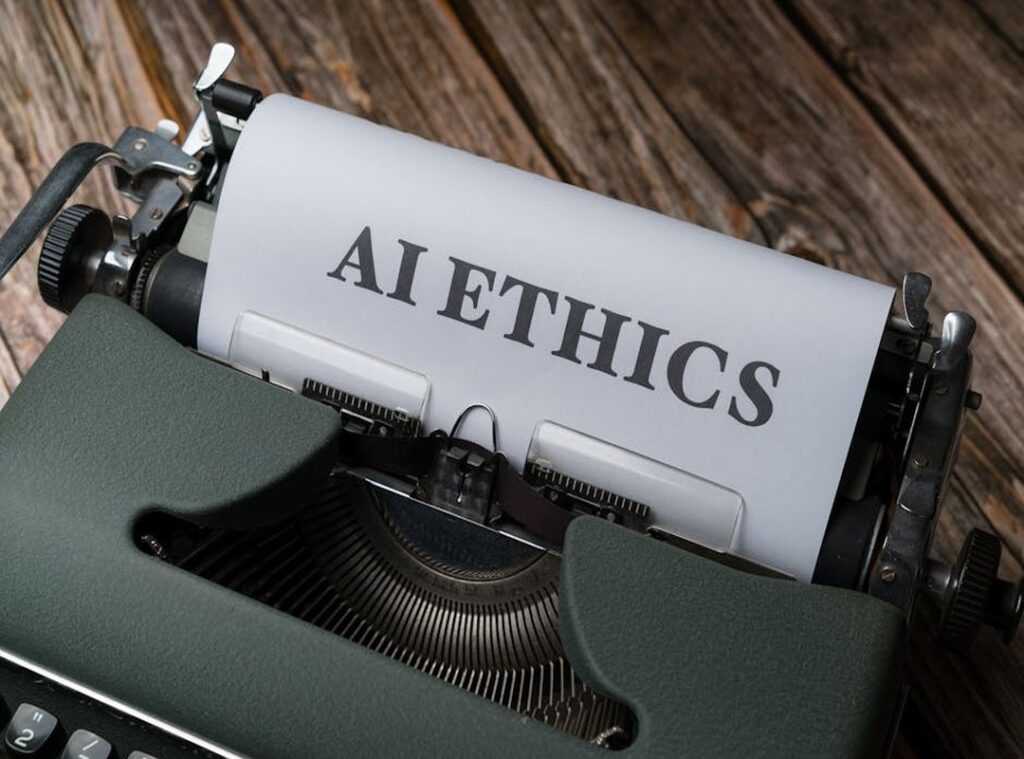
While these technologies are new, they also raise questions about ethical considerations advanced AI systems. Are we ready for machines that learn and adapt? That’s for us to decide.
And trust me, we’re only scratching the surface here.
The Mind of AI: How IVAs Get the Job Done
Ever wonder how your AI assistant can book dinner reservations like a pro? Let’s dive into the magic. Picture this: you want to find and book a quiet Italian restaurant for two near downtown at 8 PM Friday.
Step 1: Hearing (Input). This is where Automatic Speech Recognition (ASR) comes in. Think of it as the assistant’s ears. It listens to your voice and converts the spoken words into text. In other words, your request becomes readable data.
Sounds simple, right? Here’s how it works.
Step 2: Understanding (Processing). Now, the real work begins. Natural Language Understanding (NLU) takes center stage as the “brain.” Here, it figures out the intent (booking a table) and the entities involved (Italian restaurant, two people, 8 PM, Friday). It’s like solving a puzzle where each piece fits perfectly.
Step 3: Acting (Integration). This is the integration phase. The IVA connects with other apps and databases (like Google Maps or OpenTable) via APIs. It finds options and checks availability. It’s like having a digital concierge at your fingertips.
Step 4: Responding (Output). Finally, Natural Language Generation (NLG) steps in. It’s the “voice” that crafts a human-like response such as, “I found a great spot called Luigi’s. It has a 4.5-star rating. Should I book it for you?” This is where AI becomes your buddy.
And that’s how ai personal assistants make life easier. They listen, think, act, and talk. All in a snap.
Who knew booking a table could be so fascinating?
Chatbot vs. IVA: Why It Matters
Chatbots and IVAs (Intelligent Virtual Assistants) aren’t the same, and it’s key to understand why. Chatbots are single-task specialists. They follow rules and handle linear conversations.
Think of them like a script (perfect) for simple FAQs like “What are your store hours?” But they hit a wall with anything complicated.
IVAs, however, are the multi-skilled generalists of the AI world. They handle complex, non-linear conversations and switch contexts smoothly. They integrate with business tools to perform actions.
Remember Siri or Alexa? They’re not just answering questions. They’re managing your calendar or controlling smart devices.
So, why does this difference matter? Well, IVAs are the backbone of the future in customer service and personal productivity. They’re not just a step up from chatbots; they’re a leap.
Chatbots are like training wheels (necessary,) but limited.
Does this mean chatbots are useless? Not at all. They’re great for initial interaction.
But for a glimpse into the future, you need to look at Next Gen Robotics Collaborative Machines. IVAs show their true potential. AI personal assistants are not just a concept.
They’re shaping the way we interact with technology.
From Sci-Fi to Your Shopping Cart: IVAs in Action
Ever feel like customer service is a black hole of frustration? I get it. But imagine this: an AI personal assistant that doesn’t just answer questions but actually handles complex returns.

Picture this. You’re stuck with a defective item, ready to pull your hair out. This AI dives into your order history, empathizes (well, sort of), initiates the return, and even schedules a pickup.
Suddenly, it’s like the future is here, smoothing out life’s little wrinkles.
Now, let’s talk healthcare. Ever tried to manage medication schedules for an elderly parent? It’s a headache.
IVAs are stepping in, reminding patients about their meds and even helping doctors transcribe notes. Just a voice command away from pulling up patient records. It’s like having a personal assistant sitting in your pocket.
Minus the salary.
Finance is another beast. If you’ve ever tried navigating a loan application, you know it’s a labyrinth. IVAs can analyze your spending habits, offer personalized advice, and guide you through that complex loan application.
It’s as if you’ve got a savvy financial advisor on speed dial, cutting through the jargon and numbers.
But hold on, the future of these assistants is even wilder. Proactive IVAs are on the horizon, anticipating needs before you even know you have them. Imagine your assistant reordering supplies before they run out or orchestrating a swarm of robots in manufacturing.
The crazy part? Quantum computing could one day supercharge this ability to understand nuance globally.
Isn’t it amazing how quickly we’re moving from sci-fi dreams to reality? We’re talking about tech that just a few years ago seemed impossible. It’s not just about convenience (it’s) a glimpse into a future where AI personal assistants are integral to everyday life.
Not So Fast: The Hurdles IVAs Still Face
AI personal assistants are impressive, but let’s not kid ourselves. They’ve got issues. One biggie? Data privacy.
Who actually owns and safeguards all that personal info these assistants scoop up? It’s a question that keeps folks up at night.
Then there’s emotional intelligence (or lack thereof). These bots just can’t grasp human emotions or sarcasm yet. They’re clueless when it comes to subtle social cues.
And bias? Don’t get me started. AI models can pick up and magnify human biases from their training data.
So yeah, these assistants have a long way to go.
Embrace the Future of Work
You’ve got the lowdown on AI personal assistants. They’re not just about playing your favorite tunes anymore. You’ve seen the tech leap from basic bots to real AI.
So, why is this key? Simple. You’re now equipped to spot real innovation.
That’s empowering, right?
But don’t stop here. The AI world changes daily. Want to stay ahead?
Keep an eye on our innovation alerts. We’re at the forefront. Ready to keep you informed.
Don’t miss out. Stay tuned. The next wave of breakthroughs is just around the corner.
It’s time to get ready.
 Founder & Chief Innovation Officer
There is a specific skill involved in explaining something clearly — one that is completely separate from actually knowing the subject. Thryssa Druvina has both. They has spent years working with innovation alerts in a hands-on capacity, and an equal amount of time figuring out how to translate that experience into writing that people with different backgrounds can actually absorb and use.
Thryssa tends to approach complex subjects — Innovation Alerts, Futuristic Tech Concepts, Tech Maintenance Tutorials being good examples — by starting with what the reader already knows, then building outward from there rather than dropping them in the deep end. It sounds like a small thing. In practice it makes a significant difference in whether someone finishes the article or abandons it halfway through. They is also good at knowing when to stop — a surprisingly underrated skill. Some writers bury useful information under so many caveats and qualifications that the point disappears. Thryssa knows where the point is and gets there without too many detours.
The practical effect of all this is that people who read Thryssa's work tend to come away actually capable of doing something with it. Not just vaguely informed — actually capable. For a writer working in innovation alerts, that is probably the best possible outcome, and it's the standard Thryssa holds they's own work to.
Founder & Chief Innovation Officer
There is a specific skill involved in explaining something clearly — one that is completely separate from actually knowing the subject. Thryssa Druvina has both. They has spent years working with innovation alerts in a hands-on capacity, and an equal amount of time figuring out how to translate that experience into writing that people with different backgrounds can actually absorb and use.
Thryssa tends to approach complex subjects — Innovation Alerts, Futuristic Tech Concepts, Tech Maintenance Tutorials being good examples — by starting with what the reader already knows, then building outward from there rather than dropping them in the deep end. It sounds like a small thing. In practice it makes a significant difference in whether someone finishes the article or abandons it halfway through. They is also good at knowing when to stop — a surprisingly underrated skill. Some writers bury useful information under so many caveats and qualifications that the point disappears. Thryssa knows where the point is and gets there without too many detours.
The practical effect of all this is that people who read Thryssa's work tend to come away actually capable of doing something with it. Not just vaguely informed — actually capable. For a writer working in innovation alerts, that is probably the best possible outcome, and it's the standard Thryssa holds they's own work to.