

Staying ahead in emerging technology isn’t just about following headlines, it’s about understanding what breakthroughs actually mean for the future. If you’re searching for clear, actionable insights on AI advancements, robotics, quantum computing, and next-generation tech maintenance, this article is built for you. We cut through speculation to focus on practical developments, real-world applications, and innovation trends that are actively shaping tomorrow’s industries.
From breakthroughs in reinforcement learning in robotics to rapid progress in quantum processing power and autonomous systems, we examine how these technologies are evolving and where they’re headed next. Our analysis is grounded in ongoing research, technical documentation, and verified industry updates, ensuring you get accurate, forward-looking information rather than hype.
By the end, you’ll have a sharper understanding of what’s emerging, what’s viable, and how these innovations could influence business, research, and everyday life in the near future.
From coded instructions to adaptive intelligence
Traditional robots followed rigid scripts: move, stop, weld, repeat. They excel on factory floors but freeze when reality shifts. That brittleness is the core flaw of hard coded logic it cannot improvise.
Enter reinforcement learning in robotics where machines learn through trial feedback and reward. Think of it like teaching a self driving rover to navigate rubble by rewarding paths.
To apply this approach in your own lab start small.
- Define a reward signal tied to measurable outcomes.
- Train in simulation before deploying to hardware.
Iterate and log failures they are data not defeat.
The learning engine: how RL teaches a robot to “think”
At its core, reinforcement learning is simple: an agent (the robot) operates in an environment (the world around it), takes actions (move, grab, turn), and receives a reward (points for success, penalties for mistakes). Over time, the agent learns which actions maximize its total reward. Think of it like training a dog—treats encourage sitting; no treats discourage chaos (sorry, couch).
The reward signal is everything. A robot arm might get a positive reward for successfully grasping a cup and a negative reward for knocking it over. According to Sutton and Barto’s foundational text Reinforcement Learning: An Introduction, reward feedback is the driving force behind behavioral improvement.
Here’s the twist: learning happens through massive trial and error. In reinforcement learning in robotics, machines often run thousands—or millions—of simulations before acting confidently in the real world. This evolving strategy is called a policy.
Behind the scenes, algorithms like Q-learning (which estimates action values) and Policy Gradients (which directly optimize decisions) power the math.
Some argue this approach is inefficient compared to rule-based programming. Fair. But hand-coding every scenario? That’s like scripting every move in a Marvel fight scene, impossible at scale.
Recommendation: Start experimentation in simulation before real-world deployment (pro tip: it saves hardware and headaches).
Mastering physical worlds: RL for complex task execution
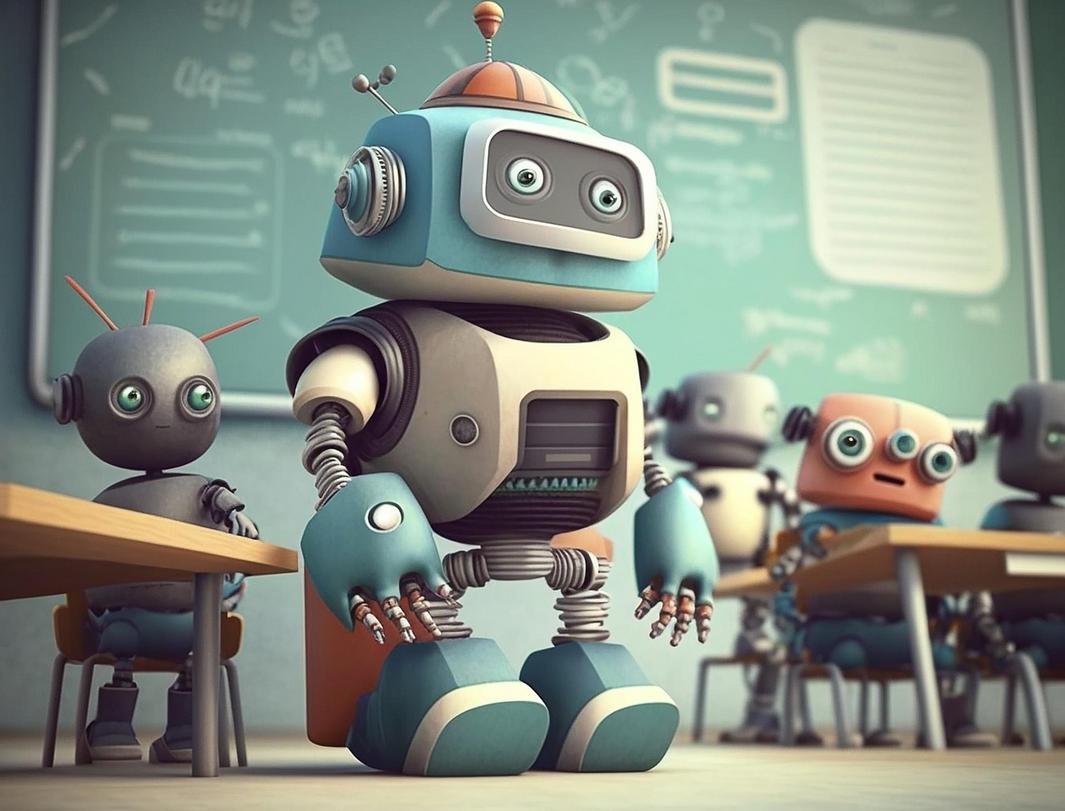
When we talk about robots mastering physical tasks, we’re really talking about learning through interaction. Reinforcement Learning (RL)—a method where an agent learns by trial, error, and reward feedback—shines here because the real world is messy. And in my opinion, messy is exactly where intelligence proves itself.
Advanced manufacturing
Programming a robotic arm to pick up a known object is straightforward. But ask it to grasp an unfamiliar, oddly weighted component fresh off a production line? That’s a different story. Traditionally, engineers hard-code precise coordinates and grip strengths (a brittle approach if anything changes). With RL, the robot experiments in simulation and reality, refining movements until it can reliably orient new objects. This ability to adapt instead of follow scripts is why many teams now use reinforcement learning in robotics for high-mix, low-volume manufacturing.
Some critics argue this is overkill, why not just improve sensors and rule-based systems? Fair point. But rules don’t generalize well. Learning does.
Warehouse logistics
In warehouses, you’re dealing with all kinds of stuff—soft mailers, rigid boxes, slippery plastic. RL-powered robots learn where to grab things and how hard to squeeze, which speeds up sorting and cuts down on damage. McKinsey (2023) found that automation in logistics can boost operational efficiency by up to 30% when you pair it with adaptive AI systems.
- Faster sorting cycles
- Reduced item damage
- Smarter space utilization
(Pro tip: Simulation-first training dramatically cuts deployment risk.)
Surgical assistance
Surgical robots must make micro-adjustments in response to subtle tissue shifts or patient movement. RL enables systems to refine these corrections in real time. While some worry about autonomy in operating rooms, these systems augment, not replace, surgeons. Think less sci-fi takeover, more Iron Man suit precision.
If you’re curious how adjacent AI breakthroughs are shaping creativity, explore how generative ai is changing creative industries.
Navigating dynamic environments: the RL revolution in mobility
Dynamic environments are messy, unpredictable, and constantly changing. Traditional rule-based systems struggle here because they rely on predefined maps and rigid instructions. Reinforcement learning (RL)—a machine learning method where agents learn by trial and error using rewards and penalties—flips that model. Instead of following fixed paths, machines learn how to adapt. That adaptability is the real win.
Autonomous drones
In forests or disaster zones, drones can’t rely on GPS or preloaded maps. With reinforcement learning in robotics, drones learn obstacle avoidance by interacting with their environment in real time. Branch falls? New debris? No problem. The system recalculates instantly. The benefit: faster search-and-rescue missions, lower crash rates, and access to areas too dangerous for humans (think less “mission failed,” more “mission accomplished”).
Last-mile delivery bots
Sidewalks are chaos, kids zigzagging, dogs on loose leashes, distracted pedestrians scrolling like it’s a Marvel post-credits scene. RL enables social navigation, meaning bots learn patterns of human movement and adjust speed, spacing, and direction safely. Benefits include:
- Fewer collisions
- Improved public trust
- More efficient deliveries
For cities and businesses, that means scalable automation without sacrificing safety.
Off-road and planetary exploration
On Mars or remote deserts, communication delays make joystick control impossible. Rovers must think independently. RL allows real-time pathfinding across unstable, unfamiliar terrain. The payoff? Greater mission autonomy, reduced operational risk, and deeper exploration without constant human input.
In every case, the advantage is clear: smarter navigation, greater resilience, and mobility systems that learn as the world changes around them.
Current hurdles and the next frontier
The Sim-to-Real Gap—the mismatch between flawless simulations and the chaotic physical world—remains a stubborn obstacle. A robot may master tasks in software, yet fail when lighting changes or sensors drift (real factories aren’t video games). In reinforcement learning in robotics, this gap slows deployment and raises costs.
Two core challenges stand out:
- Massive, diverse training data requirements
- Safety guarantees for predictable, reliable behavior
Some argue simulations are “good enough.” They’re not. Hybrid approaches blending RL with classical control and rule-based systems offer a practical path forward. Careful validation and real-world testing remain essential. Always.
Reinforcement learning is the catalyst turning rigid machines into adaptive partners. Instead of preprogrammed scripts, robots now learn through trial, error, and reward signals—much like training a dog with treats (minus the fur). This shift upgrades both manipulation and navigation: arms grasp irregular objects; mobile bases reroute around surprise obstacles.
Want to apply this today?
- Start in simulation to let policies fail safely.
- Define clear reward metrics tied to real tasks.
- Gradually transfer models to hardware with sensor calibration checks.
With reinforcement learning in robotics, expect breakthroughs in chaotic settings, from deep-sea repairs to reliable in-home assistance across unpredictable real worlds.
As we explore how reinforcement learning empowers robots to adapt and learn from their environments, it’s intriguing to consider how this technology parallels the innovative concepts introduced in Doayods.
The future is already moving
You came here to understand where robotics and intelligent systems are headed — and now you’ve seen how rapidly innovation is accelerating. From adaptive machines to breakthroughs in reinforcement learning in robotics, the future isn’t theoretical anymore. It’s being built, tested, and deployed right now.
If you’ve been feeling overwhelmed by the speed of AI and robotics advancements, you’re not alone. The pace of change can make it hard to know what matters, what’s hype, and what will actually impact your work, investments, or curiosity about the future. Staying informed isn’t just interesting , it’s essential.
The good news? You now have a clearer view of the technologies shaping tomorrow. That clarity gives you an edge.
Don’t fall behind while innovation races forward. Join thousands of forward-thinking readers who rely on our innovation alerts, deep tech breakdowns, and practical tutorials to stay ahead of disruptive trends. Get the insights, understand the risks, and spot opportunities before they go mainstream.
Explore the latest updates now and position yourself at the front of the technological shift , not scrambling to catch up.