Quantum physics might seem like a strange, distant world, but it’s actually at the heart of the tech you use every day. Ever wonder how? I used to think quantum stuff was just for scientists in lab coats, talking about things like “spooky action at a distance.” Turns out, those tiny quantum effects are the real magic behind the gadgets we can’t live without.
Think about your smartphone. How does it process all that data so quickly? It’s not just clever coding; there’s a quantum strikes impact at play.
This isn’t just theory. It’s real and happening now, shaping everything from AI to the future of medicine.
I’ve spent a lot of time digging into this, talking to experts who know how foundational science turns into the innovations we rely on. You’ll get a simple, clear explanation here. By the end, you’ll see how quantum physics isn’t just a concept but a driving force in our high-tech world.
Quantum Strikes: Making Sense of the Weird
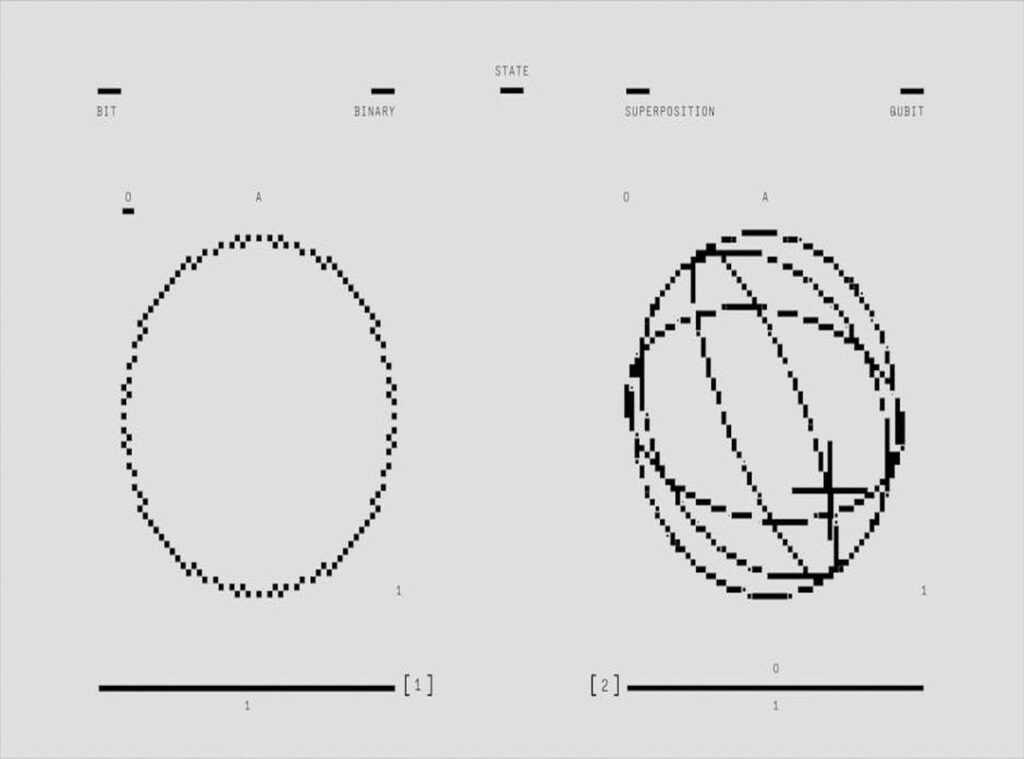
Superposition is like flipping a coin. Picture a coin spinning in the air. While it spins, it’s both heads and tails.
Only when it lands do we see one side. This isn’t just a quirky thought. It’s the core of quantum mechanics.
In this world, particles live in multiple states until observed. Sound bizarre? It should.
Quantum strikes impact our understanding of reality in ways we can’t fully grasp yet.
Then there’s quantum tunneling. Imagine a ball that doesn’t roll over a hill but through it. Seems impossible, right?
Yet, at the quantum level, particles do this all the time. It’s how electrons sneak through barriers, making modern electronics possible. Without it, our gadgets would be relics of the past.
And let’s not forget entanglement. Consider a pair of gloves in separate boxes. Open one, find a left glove, and you instantly know the other box holds a right glove.
That’s entanglement. Two particles, miles apart, affecting each other instantly. Einstein called it “spooky,” and he wasn’t wrong.
This concept baffles us but also opens doors to potential quantum computing, where businesses adapting quantum strike challenges could lead to breakthroughs.
Understanding these effects gives us a mental toolkit. We aren’t just talking physics; we’re talking about the future of technology and communication. Each concept offers an “aha!” moment.
These principles are not just academic curiosities. They are shaping the world of tomorrow, right now.
The Quantum in Your Hands: Technology You Use Every Day
You might not think about quantum physics when you text your friend or binge-watch your favorite show. But to this: the tiny transistors in your phone and laptop rely on quantum tunneling. Without it, electricity wouldn’t flow correctly at such a microscopic scale.
Here’s the kicker (this) isn’t just theoretical stuff. It’s the backbone of every swipe and tap.
Now, lasers are another quantum gift. They’ve changed our world in ways you probably don’t notice. Blu-ray players, barcode scanners, and fiber optics.
Each one relies on electrons jumping between energy levels. Each jump releases photons in a controlled beam, making these incredible devices possible. If you ever thought lasers were just for sci-fi, think again.
They’re everywhere.
Speaking of breakthroughs, let’s talk medical imaging, like MRI. Have you ever had one? MRI works by manipulating the quantum property of ‘spin’ in your body’s atoms.
It’s mind-bending yet simple once you get it. These scans create detailed images, helping doctors save lives daily. It’s not just about theory here.
Quantum mechanics has a direct impact on health.
Quantum strikes impact everything, and not always positively. Some worry about the dangers of unleashed quantum tech. Curious?
Check out this quantum strikes impact article for a deeper look into potential pitfalls.
I can’t stress enough how quantum mechanics isn’t just abstract theory. It’s hidden in plain sight, making our gadgets work and keeping us healthy. Next time you use a computer or get a medical scan, think about the quantum marvels making it all happen.
What other everyday things rely on quantum tricks? Keep wondering because the answers are more common than you might expect.
The Quantum Leap: Shaping Tomorrow
Quantum computing isn’t just hype. It’s real, and it’s here to shake up everything we know about technology. Imagine a world where supercomputers can’t even hold a candle to quantum machines.
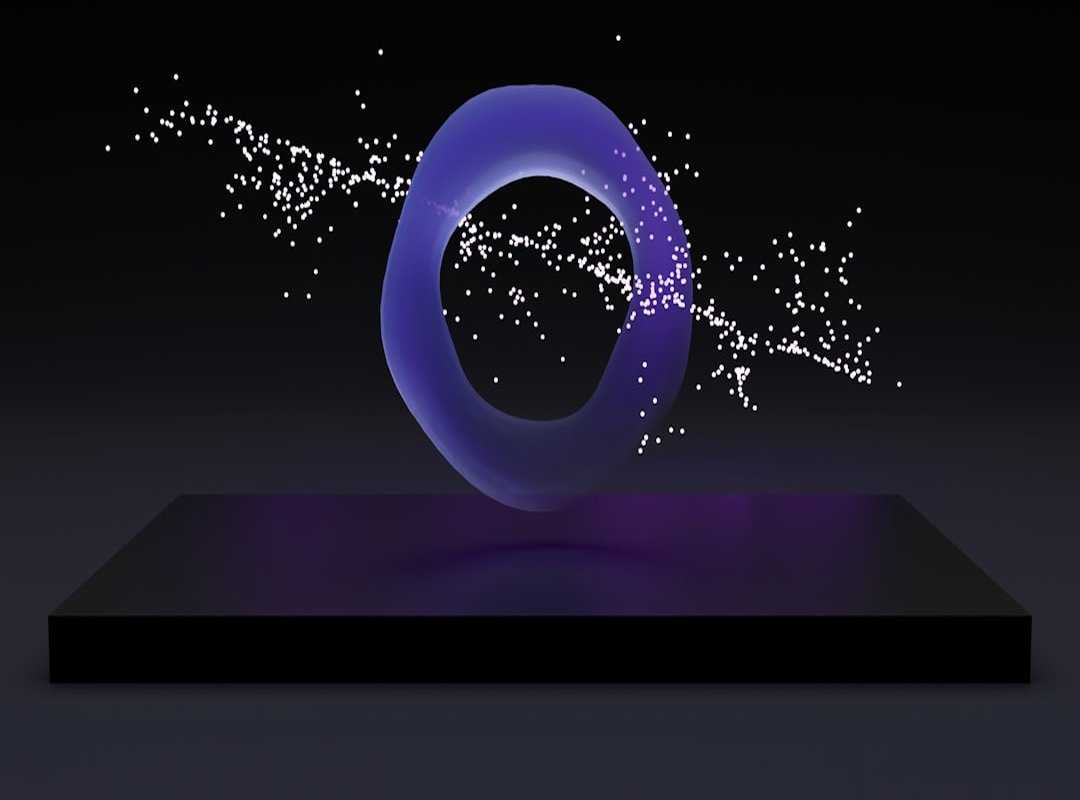
That’s the quantum strikes impact we’re talking about. By harnessing superposition and entanglement, quantum computers solve problems that stump even the fastest traditional computers. Think of them as the ultimate puzzle solvers, capable of cracking mysteries that would take other machines centuries to figure out.
What does this mean for us? For starters, quantum computing has the potential to revolutionize medicine. We could discover new drugs faster than ever before.
Imagine designing materials that make today’s batteries and solar panels seem like relics. That’s not sci-fi; it’s within our reach. Quantum computing could also push artificial intelligence to new heights.
We’re talking about AI models that are smarter and more intuitive, almost like something out of a Black Mirror episode (but hopefully less dystopian).
And let’s not forget the rise of quantum sensors. These little marvels promise ultra-precise navigation systems that don’t even need GPS. Lost in the woods?
Not anymore. They’ll also advance medical devices, detecting diseases at the molecular level. It’s like giving doctors a magnifying glass that can spot issues before they become problems.
Then there’s quantum cryptography. It sounds like a mouthful, but it’s key. By using quantum mechanics, we can create unhackable communication networks.
Our data will be safer than ever before. For more on how this tech is securing future data, check out quantum strikes data encryption.
In a nutshell, the future is here, and it’s powered by quantum. So what are you waiting for? Dive in.
The quantum frontier is wide open.
Quantum Leap: What’s In It for You?
Let’s get real: quantum tech isn’t just for scientists. Sure, it’s complex. But understanding how quantum effects influence technology is becoming key for staying relevant in nearly every field.
We’re talking finance, logistics, even healthcare. Industries will transform (and fast). So, what does that mean for you?
It’s simple. You don’t need to be a physicist. You need to be informed.
Imagine knowing the basics of quantum strikes impact and how it can change your career path. That’s a competitive edge.
Think about it like this: You wouldn’t ignore the internet back in the ’90s, right? Quantum’s the next game-changer. Being proactive now means you’re ready for shifts that could redefine your industry.
And society? It’s going to feel the ripple effects, from national security to everyday services. So, why wait?
Dive into these changes. Arm yourself with knowledge. Because, in this next leap, being aware is everything.
Quantum’s Hidden Engine
Quantum physics feels miles away from our daily grind, right? But guess what? It powers everything from your phone to tomorrow’s wonders.
That invisible magic? It’s the quantum strikes impact. The tech world thrives on it, and understanding this connection is your gateway to the future.
It’s not just science fiction. It’s real. And it’s happening now.
So, stay curious. Dive deeper. Explore the science that shapes your tech.
Head over to dowsstrike2045.net. Discover the innovations redefining tomorrow. You’re not just a spectator.
You’re part of this unfolding story. Ready to explore? The future’s waiting.
 Quantum Computing & Future Tech Researcher
There is a specific skill involved in explaining something clearly — one that is completely separate from actually knowing the subject. Jesus Stormeraindear has both. They has spent years working with tech maintenance tutorials in a hands-on capacity, and an equal amount of time figuring out how to translate that experience into writing that people with different backgrounds can actually absorb and use.
Jesus tends to approach complex subjects — Tech Maintenance Tutorials, Knowledge Vault, Strike-Driven Quantum Computing being good examples — by starting with what the reader already knows, then building outward from there rather than dropping them in the deep end. It sounds like a small thing. In practice it makes a significant difference in whether someone finishes the article or abandons it halfway through. They is also good at knowing when to stop — a surprisingly underrated skill. Some writers bury useful information under so many caveats and qualifications that the point disappears. Jesus knows where the point is and gets there without too many detours.
The practical effect of all this is that people who read Jesus's work tend to come away actually capable of doing something with it. Not just vaguely informed — actually capable. For a writer working in tech maintenance tutorials, that is probably the best possible outcome, and it's the standard Jesus holds they's own work to.