
Ever hear a strange noise from your furnace and feel that sinking pit in your stomach? Yeah, me too. It’s the dreadful sound of impending home disaster.
Traditional home maintenance? It’s like playing whack-a-mole with your savings. You wait for something to break, then scramble to fix it.
Stressful and expensive.
But what if your house could take care of itself? That’s not sci-fi anymore. We dive deep into how AI and robotics are reshaping smart home maintenance.
This isn’t just another gadget list. It’s a whole new way of thinking. Your home, upgraded with forward-thinking tech, can manage itself.
Curious? You should be. This article promises a fresh perspective.
We’re not just tracking trends; we’re charting a path to a smarter, less stressful future for your home.
What is ‘Intelligent’ Home Upkeep, Really?
So, what makes a home “intelligent”? It goes beyond the smart home maintenance buzzword. A smart home follows your commands.
An intelligent home anticipates your needs. Imagine this: a smart thermostat lets you tweak the temp from your phone. Cool, right?
But an intelligent HVAC system? It analyzes patterns and weather forecasts. It warns you if a component might fail next month.
The magic lies in three pillars. First, Predictive Maintenance. It’s like having a crystal ball for your appliances.
Problems are caught before they surface. Then, there’s Automated Action. Routine tasks?
Done without lifting a finger. Finally, System Optimization. Your home runs smoother, cheaper.
The real goal? Shift from “break-fix” to “predict-prevent”. Less stress when things go wrong.
More peace of mind.
And if you’re wondering how this ties into tech headaches, like those pesky AI issues, check out this page on Troubleshooting Ai Assistant Issues. It’s all about staying ahead, not just reacting.
Ready to make your space not just smart, but truly intelligent? It’s a game-changer. And honestly, who doesn’t want a bit of foresight in their home life?
The Tech Trio: IoT, AI, and Robotics for Your Home
In the world of smart home maintenance, three technologies work together like an unstoppable team: IoT, AI, and Robotics. These aren’t just buzzwords. They’re the real deal, collaborating to transform homes from passive dwellings into proactive partners.
First up, IoT sensors. These little gadgets are like the nerves of your home, constantly sending signals. Picture water flow sensors in pipes.
They alert you to leaks before you even see a drip. Vibration sensors on appliances tell you when something’s off. And don’t forget air quality monitors and smart smoke detectors.
They gather data on usage, pressure, particulates, and more. Ever notice how your phone seems to know everything? It’s the same concept, but for your house.
Then, we have AI (the) brain. It’s where all that data goes to make sense. Imagine your dishwasher.
Seems basic, right? But an AI can learn its unique sound and vibration patterns. It can even detect a tiny change indicating a failing pump.
It’s like having a Sherlock Holmes for your appliances. Does it get any cooler than that?
Now, let’s talk robotics. It’s not just Roombas anymore. Today, you’ve got automated lawnmowers, pool cleaners, and even window-washing bots.
These aren’t just novelties. They’re the workhorses. Acting on what the system’s intelligence reveals.
Trust me, once you’ve seen a robotic lawnmower like Husqvarna’s, you’ll wonder how anyone ever pushed one of those noisy, old machines.
This tech trio changes the game for homeowners. They aren’t just for tech geeks. They’re for anyone who wants their home to work for them.
If you’re curious, check out smart home maintenance to see the incredible potential in action. It’s not just about gadgets; it’s about making life better and simpler. Isn’t that what we all want?
Smart Home: Game-changing Upkeep You Can Start Today
Let’s get right to the point. For smart home maintenance that’s genuinely intelligent, you’ve got options. First up, water monitoring systems like Phyn or Flo by Moen.
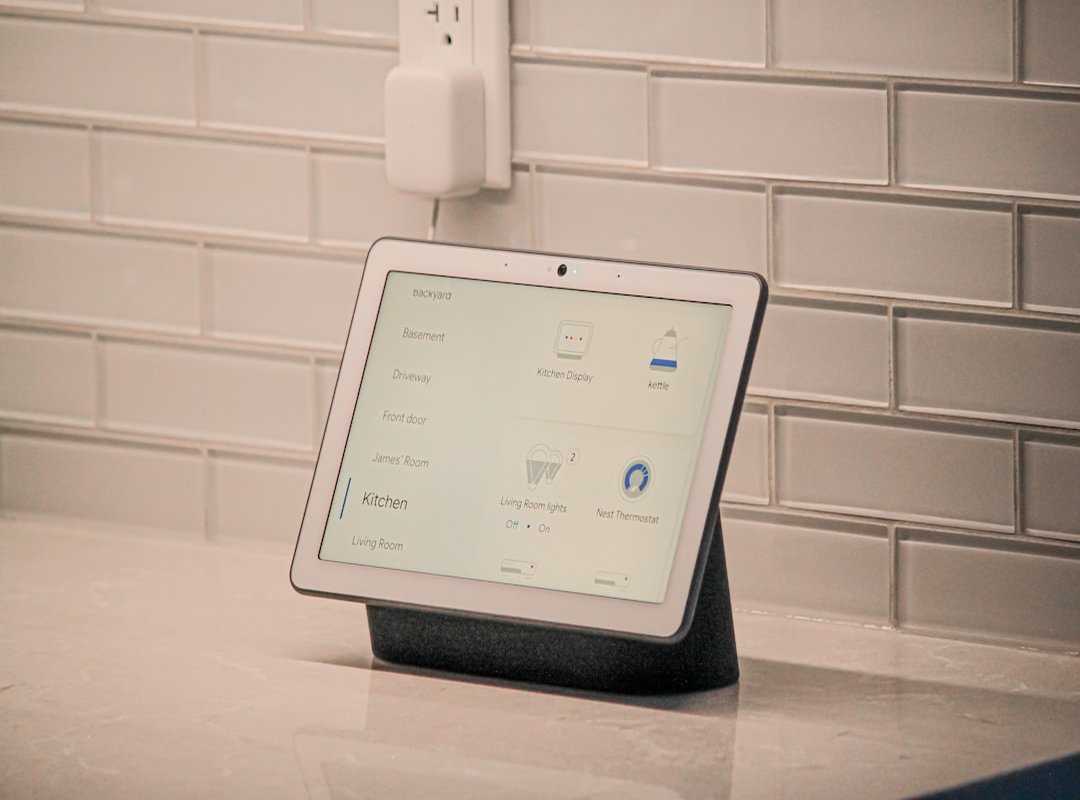
These systems learn your home’s water habits. If they sense a leak, they can shut off the water automatically. It saves you from a potentially disastrous flood.
Who wants a surprise swimming pool in the basement, right?
Next, let’s talk HVAC. Predictive maintenance is where it’s at. New smart thermostats and sensors can track everything.
System performance, filter life, runtime. They give you early warnings. Imagine avoiding that mid-winter furnace fail.
It’s like having an HVAC tech on speed dial but without the hefty bill. And yes, I know some of you are thinking, “What about the outside?” Got you covered.
We’ve got AI-driven sprinkler systems like Rachio. They use local weather data to water efficiently. Your yard stays lush without wasting a drop.
Plus, ever heard of robotic lawnmowers? These gadgets cut continuously, which keeps your lawn healthier. It’s like having a tiny landscaper living in your yard.
Pro tip: Combine these tools. You’ll be the envy of the neighborhood with a house that practically runs itself. For deeper takeaways, check out Quantum Computer Maintenance Important Tips.
It covers maintenance essentials for those futuristic systems. There’s always something new to learn in this fast-paced world of tech.
Isn’t it time to let your home get a bit smarter?
The Near Future: What’s Next on the Horizon?
to the future of smart home maintenance. It’s more than just a buzzword. Imagine drones the size of your palm zipping around your house.
These aren’t your typical flying toys. They’re equipped with computer vision, scanning roofs and gutters for storm damage. They spot issues before you even notice a leak.
Pretty wild, right?
Now, let’s talk about this concept called a “Digital Twin” for homes. It’s like having a virtual doppelgänger of your house. This isn’t science fiction.
It’s happening. Sensors gather real-time data, simulating everything from stress points to potential upgrades. It predicts when your roof might give out or how long your appliances will last.
This could change how we manage home maintenance. You wouldn’t just be reacting to problems. You’d be preventing them.
And then there are the robots. Not the kind that just vacuum. I’m talking about multi-purpose robots.
Picture one cleaning your solar panels in the morning, patching up a drywall hole by lunch, then climbing up to change that pesky lightbulb you can’t reach. It’s like having a butler without the tux. These robots are on the horizon.
And they’re not just gimmicks. They’re about making life easier.
All this tech might sound futuristic, but it’s coming sooner than you think. We’re standing on the brink of a new age in home care. As these technologies evolve, our homes will adapt, becoming smarter and more fast.
It’s not just about convenience. It’s about redefining how we live. Exciting?
Absolutely. The future is closer than we realize.
Make Your Home Work For You
You’ve seen it, right? Smart home maintenance is the game-changer we all need. No more sweating over surprise breakdowns. It’s about time we put technology to work (instead of us working for it).
AI-powered solutions turn homeownership from a headache into a breeze. Why let anxiety and expenses rule your life when you can sidestep them with predictive tech?
Start by pinpointing your biggest maintenance hassle. What’s your home’s Achilles’ heel? Nailing down this pain point is your first move.
Then, dive into the modern solutions we’ve discussed. Want less stress and more efficiency? You bet.
Check out the latest smart systems now. Don’t just read about it. Act.
Your smartest asset should be your home, not just an idea.
 Quantum Computing & Future Tech Researcher
There is a specific skill involved in explaining something clearly — one that is completely separate from actually knowing the subject. Jesus Stormeraindear has both. They has spent years working with tech maintenance tutorials in a hands-on capacity, and an equal amount of time figuring out how to translate that experience into writing that people with different backgrounds can actually absorb and use.
Jesus tends to approach complex subjects — Tech Maintenance Tutorials, Knowledge Vault, Strike-Driven Quantum Computing being good examples — by starting with what the reader already knows, then building outward from there rather than dropping them in the deep end. It sounds like a small thing. In practice it makes a significant difference in whether someone finishes the article or abandons it halfway through. They is also good at knowing when to stop — a surprisingly underrated skill. Some writers bury useful information under so many caveats and qualifications that the point disappears. Jesus knows where the point is and gets there without too many detours.
The practical effect of all this is that people who read Jesus's work tend to come away actually capable of doing something with it. Not just vaguely informed — actually capable. For a writer working in tech maintenance tutorials, that is probably the best possible outcome, and it's the standard Jesus holds they's own work to.
Quantum Computing & Future Tech Researcher
There is a specific skill involved in explaining something clearly — one that is completely separate from actually knowing the subject. Jesus Stormeraindear has both. They has spent years working with tech maintenance tutorials in a hands-on capacity, and an equal amount of time figuring out how to translate that experience into writing that people with different backgrounds can actually absorb and use.
Jesus tends to approach complex subjects — Tech Maintenance Tutorials, Knowledge Vault, Strike-Driven Quantum Computing being good examples — by starting with what the reader already knows, then building outward from there rather than dropping them in the deep end. It sounds like a small thing. In practice it makes a significant difference in whether someone finishes the article or abandons it halfway through. They is also good at knowing when to stop — a surprisingly underrated skill. Some writers bury useful information under so many caveats and qualifications that the point disappears. Jesus knows where the point is and gets there without too many detours.
The practical effect of all this is that people who read Jesus's work tend to come away actually capable of doing something with it. Not just vaguely informed — actually capable. For a writer working in tech maintenance tutorials, that is probably the best possible outcome, and it's the standard Jesus holds they's own work to.